

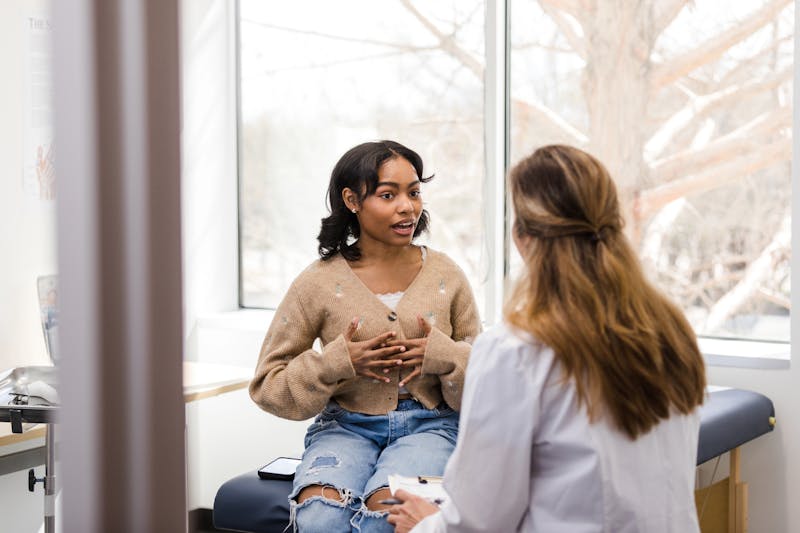
Your first gynecologist visit may feel unfamiliar, but it is usually simple and informative. At Modern Women’s Health, board-certified OB/GYN Dr. Lisa M. Jukes, M.D., F.A.C.O.G., an Austin Monthly Top Doctor since 2015, has spent decades helping women understand their health and feel confident about their care. Most first appointments focus on reviewing your health history, discussing menstrual cycles, and answering questions about your body.
For teens and young adults, this initial visit is often educational rather than procedural. Pelvic exams and Pap smears are typically not needed unless symptoms are present. Instead, the goal is to provide guidance, answer questions, and begin building a comfortable relationship with a trusted gynecologic provider. Read on to learn about your first gynecologist appointment and how to prepare.
When Should You See a Gynecologist for the First Time?
Medical organizations generally recommend a first gynecology visit between the ages of 13 and 15. However, some patients schedule their first appointment earlier or later depending on symptoms, concerns, or personal health goals.
Common reasons teens and young adults schedule their first visit include:
- Irregular or painful periods: Heavy bleeding, missed cycles, or severe cramps may require evaluation.
- Birth control counseling: Providers can explain safe and effective options based on your health and lifestyle.
- Questions about sexual health: Guidance may include STI prevention, protection, and reproductive health education.
- Vaginal symptoms: Concerns such as itching, unusual discharge, or irritation should always be evaluated.
- Preventive care guidance: Many patients want trusted medical advice as their bodies change through adolescence and early adulthood.
At Modern Women’s Health, Dr. Jukes and her experienced team care for women at every stage of life. Teens visiting for the first time receive supportive, judgment-free care that prioritizes education and long-term wellness.
What Happens During the Appointment?
Most first gynecology visits begin with a conversation. Your provider will review your medical history, menstrual cycle, medications, and any concerns you may want to discuss.
Your appointment may include several key components:
- Health history review: Discussion of menstrual cycles, symptoms, lifestyle factors, and family medical history.
- Education and counseling: Guidance about periods, hormonal health, contraception, and preventive care.
- Physical exam if appropriate: Depending on age or symptoms, this may include a general wellness exam or breast exam.
- Pelvic exam if symptoms are present: Many first visits do not require one unless there are specific concerns.
This visit is also an opportunity to ask questions about reproductive health, birth control, or changes you may be experiencing. Establishing open communication early can help you feel more confident managing your health over time.
How to Prepare for Your First Visit
Preparing in advance can make your first appointment feel more comfortable and productive.
A few simple steps can help you feel ready for the visit:
- Write down questions: This helps ensure you remember topics you want to discuss with your provider.
- Track your menstrual cycle: Knowing the timing and symptoms of recent periods can provide helpful context.
- Bring a medication list: Include prescriptions, supplements, and birth control if applicable.
- Consider bringing support: Some teens feel more comfortable attending their first visit with a parent or trusted adult.
Open, honest conversations help your provider understand your health and provide the most appropriate care.
Begin Your Women’s Health Journey With Expert Care
Your first gynecologist appointment is an important step toward understanding your body and protecting your long-term health. At Modern Women’s Health, Dr. Jukes and her experienced team provide expert gynecologic care for teens and young adults in Austin within a supportive, patient-centered environment. Schedule a consultation with Modern Women’s Health today to start building a trusted relationship focused on lifelong women’s health.